

CBG vs. CBD vs. CBN vs. CBC - The Ultimate Comparison Guide
The quick answer: CBD, CBN, CBG, and CBC are all non-intoxicating cannabinoids found in the hemp plant. Each one interacts with the body differently and is associated with a different primary use.
- CBD is the most researched and most versatile; it’s used for everyday calm and discomfort.
- CBG is typically associated with daytime focus and inflammation .
- CBN is often most associated with sleep support.
- CBC, the least studied cannabinoid, is usually used alongside the others for mood and inflammation.
Understanding CBD, CBG, CBN, and CBC
Cannabis plants have come a long way, from being tied to old stereotypes to being recognized for their potential wellness benefits. Most people know the two most famous cannabinoids, THC and CBD, but the plant produces over one hundred more. In recent years, non-intoxicating cannabinoids like CBG (cannabigerol), CBN (cannabinol), and CBC (cannabichromene) have arrived alongside CBD (cannabidiol), each with its own properties and potential uses.
This guide compares CBG vs. CBD vs. CBN vs. CBC so you can decide which one fits your goals, whether that’s sleep, focus, everyday discomfort, or mood support. We’ll cover:
- How each cannabinoid works
- What research suggests about its potential benefits
- How they may work better together
At-a-Glance
Here is how these four non-intoxicating cannabinoids compare at a glance. Use this table as a quick reference, then read on for more details about each one.
Introducing CBG: The Rising Star of Cannabinoids
CBG is found in all cannabis plants and is gaining popularity as a potential wellness compound. It is associated with potential pain-relieving, anti-inflammatory, and neuroprotective properties, and some studies suggest CBG may also have anti-cancer and antidepressant potential.
CBG is often called the “stem cell” of cannabinoids because it converts into other cannabinoids like CBD, CBC, or THC through an enzymatic process. Unlike the others, CBG is usually derived directly from plants that are bred to produce high concentrations of it, rather than being converted from another cannabinoid.
Like CBD, CBG is non-intoxicating, and many hemp users report that the effects feel almost identical. Under the hood, though, CBG interacts with the body through different mechanisms. At the receptor level, CBG may act at the CB1 and CB2 receptors of the endocannabinoid system (ECS), and early research suggests CBG may offer a few unique benefits.
Many people find CBG useful for supporting inflammatory discomfort, mood, and focus without the sleepy effect they may notice with regular CBD products.
Potential Pain and Inflammation Benefits
Researchers are continuing to explore the potential role of CBG in supporting the body's response to pain and inflammation. Early findings suggest that CBG interacts with the endocannabinoid system in ways that may influence discomfort and inflammatory processes, but more research is needed to fully understand its effects. Interest in CBG's potential applications for pain management remains an active area of study.
Potential Digestive Benefits
Limited preliminary research has looked into the potential digestive benefits of cannabigerol. For instance, scientists have investigated the impact of this cannabinoid on colitis and inflammatory bowel disease.
Potential Antibacterial Benefits
Preliminary research has also looked into the potential antibacterial properties of CBG. Scientists believe there are sufficient grounds to further investigate the usefulness of this cannabinoid for bacterial infections.
Kine offers CBG on its own in our CBG Drops and combined with CBD to help you lean on the effects of both. For people who want CBG and CBD together, we offer a CBD/CBG Tincture and CBG/CBD 1:1 Drops.
However, the world of cannabinoids goes beyond just THC and CBD. In recent years, other non-intoxicating cannabinoids like CBG (cannabigerol), CBN (cannabinol), and CBC (cannabichromene) have emerged on the market, each with its own unique properties and potential benefits. Cannabidiol (CBD) may be the talk of the town, but as the saying goes, variety is the spice of life.
In this comprehensive guide, we will delve into the world of non-intoxicating cannabinoids and explore the similarities, differences, and potential uses of CBG, CBD, CBN, and CBC. Whether you're new to cannabinoids or looking to expand your knowledge, this guide will provide you with the information you need to make informed decisions about which cannabinoid may be right for your specific needs.
Introducing CBG: The Rising Star of Cannabinoids
Let's begin our exploration of non-intoxicating cannabinoids with cannabigerol (CBG). CBG is found in all cannabis plants and is gaining popularity as a potential therapeutic compound. It is known for its potential pain-relieving, anti-inflammatory, and neuroprotective properties. Some studies suggest that CBG may also have anti-cancer and antidepressant effects.
CBG is considered the "stem cell" of cannabinoids as it can convert into other cannabinoids like CBD, CBC, or THC through an enzymatic process. Unlike other cannabinoids, CBG is derived directly from plants that naturally produce high concentrations of CBG, rather than being derived from other cannabinoids through conversion processes.
While CBG breeding is still in its early stages, hemp strains with high CBG concentrations are becoming more available. Although CBG flower strains with concentrations above 15% are rare, even small amounts of CBG can provide a glimpse into its potential benefits.
CBG vs. CBD: Exploring Similarities and Differences
CBG and CBD share structural similarities and have overlapping effects, but they also have distinct characteristics. While CBD primarily acts on the central nervous system, CBG's effects are more focused throughout the body's periphery. For example, CBG has shown potential for digestive benefits, which is not a primary target of CBD research.
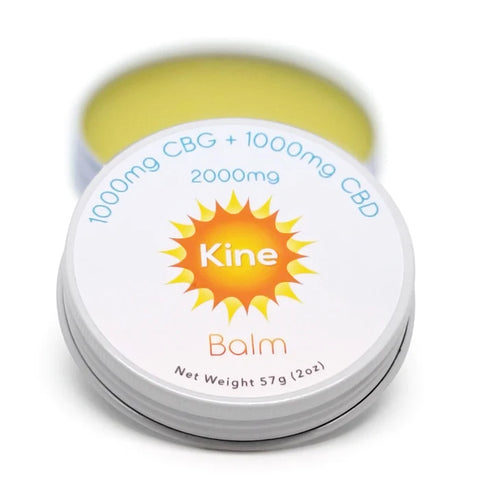
Kine offers 1:1 ratio CBD/CBG in a sublingual lozenge, a clean MCT oil-based tincture, and our ultra-popular topical Kine Balm.
Understanding CBN: The Sleep Support Cannabinoid
Cannabinol (CBN) is a non-intoxicating cannabinoid that has gained attention for its potential sleep support properties. While there are cannabis strains high in CBG or CBD, high-CBN strains are not as prevalent. Most CBN on the market is derived through a chemical conversion process that transforms CBD into CBN.
CBN was extensively researched alongside THC and CBD in the early days of cannabis studies but lost focus over time. However, the recent CBD revolution has revived interest in CBN and its unique benefits.
While scientific research on CBN's sleep support properties is ongoing, many users have reported impressive results when using CBN for sleep. CBN also offers potential antibacterial, neuroprotective, and appetite-stimulating benefits.

CBN vs. CBD: What Is The Difference Between CBD and CBN?
If CBD is the dependable elder sibling, then CBN and CBG are the adventurous younger twins, climbing up the popularity charts quicker than you can say "cannabinoid." But are these emerging stars really all that, or is this another case of marketing smoke and mirrors? While CBN shares some similarities with CBD, it also exhibits characteristics that differentiate it from other cannabinoids. In terms of chemical structure, CBN is more similar to THC than CBD, which has led to extensive research on the effects of CBN in combination with THC.
CBN has shown potential as a sleep aid, with many users reporting significant improvements in sleep quality. In contrast, CBD's effects on sleep are more varied and less consistent. Additionally, CBN and CBG share antibacterial properties, while CBD and CBC do not. CBN occupies a unique space between intoxicating and non-intoxicating cannabinoids, offering potential benefits without inducing significant psychoactive effects.
CBN vs. CBD: Chemical Structure and Origin
The big differences between CBN vs CBD are in their chemical structures. CBN is formed when THC is exposed to heat and oxygen. Over time, THC gradually breaks down to form CBN. On the other hand, CBD is directly produced by the cannabis plant. This difference in origin is crucial because it implies that CBN contains remnants of THC's properties, albeit without its psychoactive effects.
CBN vs. CBD: Effects on the Body
If you are assessing the effects of CBN vs CBD, both interact with the body's endocannabinoid system, but they do so in slightly different ways. CBD primarily interacts with the CB1 and CB2 receptors indirectly, while CBN interacts more directly, especially with the CB2 receptor.
CBD vs. CBN: Side Effects Explored
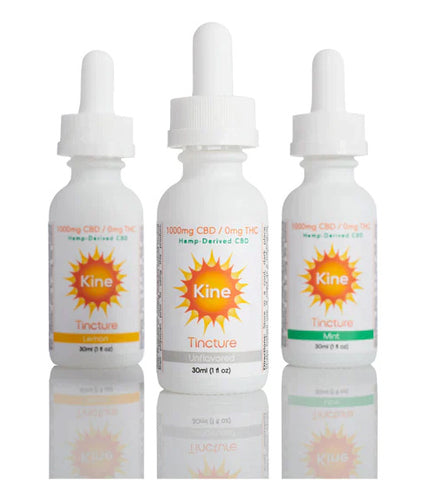
While both are lauded for their potential therapeutic benefits, it’s important to understand the different side effects of CBN vs CBD. For instance, CBD is generally well-tolerated, but some users have reported experiencing dry mouth, reduced appetite, and feelings of drowsiness. Alternatively, CBN is recognized for its possible sedative properties, which often lead to users noting drowsiness or mild sedation, especially at higher doses. It's also worth noting that since CBN is a degradation product of THC, there's a need to ensure the CBN source has minimal THC content to avoid unwanted psychoactive effects, which Kine does by using CBN isolate - 0% THC. Additionally, CBD has been known to interfere with certain medications, emphasizing the importance of monitoring any interactions. As always, starting with a lower dose and being aware of one's body reactions is crucial, and consultation with a healthcare professional is advisable when adding new supplements or medications to one's regimen.
CBD vs. CBN: Pricing
When comparing the pricing of CBD vs CBN - CBD products generally tend to be more affordable due to their widespread cultivation and longer presence in the market. CBN, on the other hand, often commands a higher price. This is attributed to its complex extraction process, its status as a byproduct of THC degradation, and its emerging demand in the wellness market for its distinct properties, especially its potential sedative effects. However, as the market continues to evolve and extraction techniques improve, CBN prices may become more competitive. Kine always adjusts its pricing to reflect lower cannabinoid prices.
Is It Safe to Mix CBD and CBN?
Every person is different and, therefore, may experience different results. Having said that, some people have opted to mix CBD and CBN with safe and promising results. Moreover, many products on the market already combine these cannabinoids to leverage the "entourage effect," amplifying their therapeutic properties. One may want to mix these two because of the different outcomes they provide. While CBD offers relaxation and potential anti-inflammatory benefits, CBN is prized for its possible sedative qualities. When trying such combinations, start with a lower dose to gauge reactions and consider consulting a healthcare professional to ensure safety.
Is CBN Better Than CBD?
There isn’t a cut-and-dry answer when it comes to the difference between CBD and CBN in terms of which is “better.” It largely depends on the specific needs and outcomes an individual is looking for:
For Sleep: While considering CBD and CBN for sleep, CBN is gaining recognition for its potential sedative effects. This may make it more effective than CBD for those specifically seeking improved sleep quality.
For Anxiety and Stress Relief: CBD has been extensively researched for its potential anxiolytic effects, suggesting it may be more beneficial for those dealing with anxiety and stress.
For Broader Benefits: CBD, having been researched more extensively, is recognized for a wider range of potential benefits, including anti-inflammatory properties, neuroprotective qualities, and even possible antiseizure effects.
Synergistic Use: It's essential to understand that one isn't necessarily "better" than the other universally. In many cases, using both cannabinoids in tandem can provide comprehensive benefits. The combined use can tap into the 'entourage effect', where the presence of multiple cannabinoids can enhance the overall effectiveness of each.
Exploring the Potential of CBC: The Lesser-Known Cannabinoid
Cannabichromene (CBC) is a lesser-known cannabinoid that has received less attention compared to CBD and CBG. Currently, there are no high-CBC cannabis strains available, and CBC is typically derived from CBGa, the starting compound for many cannabinoids.
Like CBD, CBG, and CBN, CBC is non-intoxicating. While its effects may feel similar to CBD when ingested, CBC has a unique chemical structure and exerts different effects. Although research on CBC is limited, early studies suggest that it may have potential anti-cancer, neurological health, and analgesic benefits. As an antibiotic, it’s been shown to help with infections that are resistant to other treatments, and may help protect the brain from neurodegenerative conditions like Alzheimer’s. It has also been shown to be an antidepressant, have anti-cancer benefits, and even help fight acne.
CBC vs. CBD: Differentiating Characteristics
While CBC and CBD may share potential neurological health benefits, they have distinct characteristics. CBC has a higher affinity for TRPV1 receptors, indicating its potential as an analgesic for inflammatory pain. In contrast, CBD shows roughly equal affinity for TRPV1 receptors and 5-HT1A receptors, which are involved in neuropathic pain. This suggests that CBC may be more beneficial for inflammatory pain, while CBD or another cannabinoid may be more suitable for neuropathic pain.
Despite the differences, cannabinoids derived from Cannabis sativa do not conflict with each other. In fact, they can work together synergistically to enhance their effects in what's known as the entourage effect. Rather than choosing just one cannabinoid, combining multiple cannabinoids may offer a comprehensive and holistic approach to wellness.