

CBG vs. CBD vs. CBN vs. CBC - The Ultimate Comparison Guide
The quick answer: CBD, CBN, CBG, and CBC are all non-intoxicating cannabinoids found in the hemp plant. Each one interacts with the body differently and is associated with a different primary use.
- CBD is the most researched and most versatile; it’s used for everyday calm and discomfort.
- CBG is typically associated with daytime focus and inflammation .
- CBN is often most associated with sleep support.
- CBC, the least studied cannabinoid, is usually used alongside the others for mood and inflammation.
Understanding CBD, CBG, CBN, and CBC
Cannabis plants have come a long way, from being tied to old stereotypes to being recognized for their potential wellness benefits. Most people know the two most famous cannabinoids, THC and CBD, but the plant produces over one hundred more. In recent years, non-intoxicating cannabinoids like CBG (cannabigerol), CBN (cannabinol), and CBC (cannabichromene) have arrived alongside CBD (cannabidiol), each with its own properties and potential uses.
This guide compares CBG vs. CBD vs. CBN vs. CBC so you can decide which one fits your goals, whether that’s sleep, focus, everyday discomfort, or mood support. We’ll cover:
- How each cannabinoid works
- What research suggests about its potential benefits
- How they may work better together
At-a-Glance
Here is how these four non-intoxicating cannabinoids compare at a glance. Use this table as a quick reference, then read on for more details about each one.
Introducing CBG: The Rising Star of Cannabinoids
CBG is found in all cannabis plants and is gaining popularity as a potential wellness compound. It is associated with potential pain-relieving, anti-inflammatory, and neuroprotective properties, and some studies suggest CBG may also have anti-cancer and antidepressant potential.
CBG is often called the “stem cell” of cannabinoids because it converts into other cannabinoids like CBD, CBC, or THC through an enzymatic process. Unlike the others, CBG is usually derived directly from plants that are bred to produce high concentrations of it, rather than being converted from another cannabinoid.
Like CBD, CBG is non-intoxicating, and many hemp users report that the effects feel almost identical. Under the hood, though, CBG interacts with the body through different mechanisms. At the receptor level, CBG may act at the CB1 and CB2 receptors of the endocannabinoid system (ECS), and early research suggests CBG may offer a few unique benefits.
Potential Pain and Inflammation Benefits
Researchers are continuing to explore the potential role of CBG in supporting the body's response to pain and inflammation. Early findings suggest that CBG interacts with the endocannabinoid system in ways that may influence discomfort and inflammatory processes, but more research is needed to fully understand its effects. Interest in CBG's potential applications for pain management remains an active area of study.
Potential Digestive Benefits
Limited preliminary research has looked into the potential digestive benefits of cannabigerol. For instance, scientists have investigated the impact of this cannabinoid on colitis and inflammatory bowel disease.
Potential Antibacterial Benefits
Preliminary research has also looked into the potential antibacterial properties of CBG. Scientists believe there are sufficient grounds to further investigate the usefulness of this cannabinoid for bacterial infections.
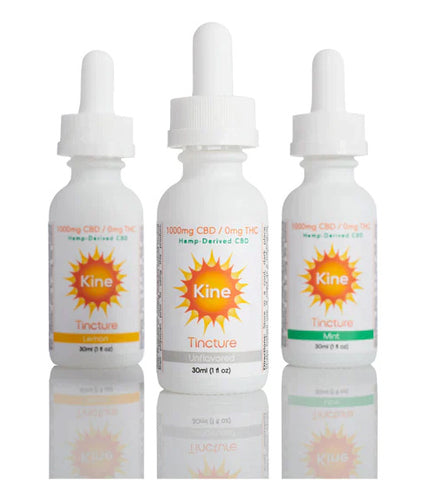
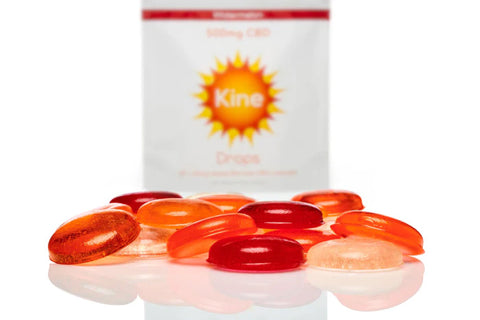
Kine offers CBG on its own in our CBG Drops and combined with CBD to help you lean on the effects of both. For people who want CBG and CBD together, we offer a CBD/CBG Tincture and CBG/CBD 1:1 Drops.
CBG vs. CBD: Exploring Similarities and Differences
CBG and CBD share structural similarities and have overlapping effects, but they also have distinct characteristics. While CBD primarily acts on the central nervous system, CBG’s effects appear more focused throughout the body’s periphery. For example, CBG has shown potential for digestive benefits, which is not a primary target of CBD research.
While some of the effects of CBG overlap with those of CBD, these cannabinoids are different enough to merit using them together. Combining two or more cannabinoids appears to provide the entourage effect, a phenomenon that appears to enhance the effects of cannabinoids when more than one is taken at the same time.
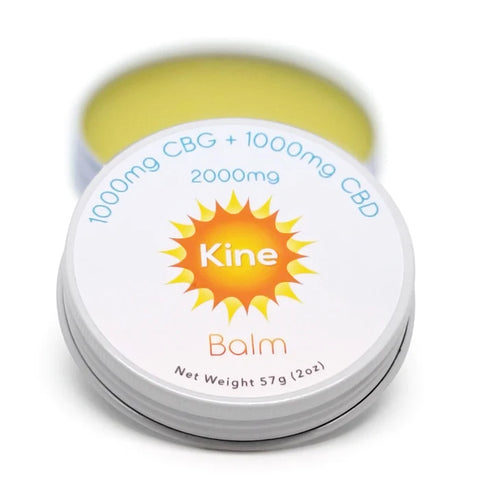
Rather than choosing between CBD and CBG, using both may offer the best results for a comprehensive cannabinoid experience. Kine offers a 1:1 ratio of CBD and CBG as a sublingual lozenge, as a clean Tincture valued for the efficacy of sublingual administration, and as our ultra-popular topical Kine Balm.
Understanding CBN: The Sleep Support Cannabinoid
CBN is a non-intoxicating cannabinoid that has gained attention for its potential sleep support properties. While there are cannabis high-CBG and high-CBD strains, high-CBN strains aren’t as common, so most CBN on the market is made through a process that converts CBD into CBN. At the receptor level, CBN may have an affinity for the CB2 receptor, which is part of why it is studied separately from CBD.
CBN was researched alongside THC and CBD in the early days of cannabis studies, but lost focus over time. The recent CBD revolution has revived interest in CBN and its unique benefits. While scientific research on CBN for sleep is still ongoing, many users report impressive results, and CBN may also offer potential antibacterial, neuroprotective, and appetite-supporting benefits.
Kine offers CBN in both our Kine Drops and Kine Tincture formulations.
CBN vs. CBD: What Is the Difference Between CBD and CBN?
When people compare CBN vs CBD, the clearest differences come down to origin, structure, and effect. While CBN shares some similarities with CBD, it also has characteristics that set it apart. In terms of chemical structure, CBN is more similar to THC than CBD, which is why so much CBN research has looked at it alongside THC.
The two also differ in how they form and how they act. CBN appears as THC ages and breaks down with heat and oxygen, while CBD is produced directly by the plant. Both interact with the endocannabinoid system, but CBD does so indirectly at the CB1 and CB2 receptors, whereas CBN interacts more directly, especially with the CB2 receptor.
In practice, CBN is most associated with sleep support, with many users reporting better sleep quality, while CBD’s effects are broader and more varied. CBN and CBG also share potential antibacterial properties, while CBD and CBC do not.
You can get a CBD/CBG/CBN 1:1:1 ratio Kine Tincture if you want all three together.
Exploring the Potential of CBC: The Lesser-Known Cannabinoid
CBC is a lesser-known cannabinoid that has received less attention than CBD and CBG. There are no high-CBC cannabis strains available, so the CBC cannabinoid is typically derived from CBGa, the precursor compound for many cannabinoids. Like the others, CBC is non-intoxicating, so it will not make you feel high.
While research on the CBC cannabinoid is limited, early studies suggest it may have potential anti-cancer, anti-Alzheimer’s, neurological, and analgesic benefits. At the receptor level, CBC may act mainly on the TRPV1 and TRPA1 receptors, which are tied to pain and inflammation perception, rather than binding strongly to CB1 and CB2. That difference is part of why the CBC cannabinoid produces effects that feel different from CBD, even though both are non-intoxicating. Researchers consider it worth investigating further, particularly for its potential anti-inflammatory and mood-supporting qualities.
CBC vs. CBG: How Do They Differ?
Because both are minor, non-intoxicating cannabinoids, people often ask how CBC vs CBG actually compare. The short version is that they work through different receptors and tend to suit different goals.
The clearest difference in CBC vs CBG is at the receptor level. CBG may act at the CB1 and CB2 receptors, while CBC may act mainly on the TRPV1 and TRPA1 receptors that are involved in pain and inflammation. In felt terms, CBG is often described as more energizing and focusing, which is why many people reach for it during the day, whereas CBC is more often paired with mood and inflammation support.
Research depth is another point of difference in CBC vs CBG. CBG is the better studied of the two, and research into CBC remains early and preliminary. When weighing CBG vs CBC, it also helps to remember that they may complement each other through the entourage effect, so using both may make more sense than choosing just one.
Kine combines CBC with other cannabinoids in our Tri (CBC/CBD/CBG) Tincture and Quad (CBC/CBD/CBG/CBN) Tincture, and CBC is also available on its own in the CBC Tincture. If you want every major non-intoxicating cannabinoid in one bottle, the Quad Tincture brings CBC, CBD, CBG, and CBN together so you don’t have to choose.
Which Cannabinoid May Be Best for Your Goal?
There is no single “best” cannabinoid. The right choice depends on what you’re looking for, so here’s a quick, goal-by-goal guide.
- For sleep: CBN is the cannabinoid most associated with sleep support, and CBN for sleep is often paired with CBD for a melatonin-free routine.
- For daytime focus and clarity: CBG is the one most people reach for when they want focus without the sleepy effect they may notice with CBD.
- For everyday discomfort and inflammation: CBD is the most researched, and CBG and CBC may also play a role. The Kine Balm pairs CBD and CBG for topical use.
- For mood support: CBC is most often discussed here, usually alongside other cannabinoids rather than on its own.
- For a bit of everything: The multi-cannabinoid Tinctures, including the 1:1, 1:1:1, Tri, and Quad blends, let you lean on the entourage effect instead of choosing just one.
One Big Cannabinoid Family
None of these cannabinoids appears to conflict with one another. Many drugs and supplements interact badly because they come from very different sources, but cannabinoids derived from Cannabis sativa tend to work together rather than against each other. In fact, they may work synergistically through the entourage effect.
Instead of asking which single cannabinoid to use while excluding the rest, it helps to think about how CBD, CBC, CBG, and CBN may work together. They were all originally derived from the same plant, so they fit together like pieces of one natural puzzle.
With that said, you may want to focus on one cannabinoid if you’re chasing a specific result. Many people use products high in CBN when they want better sleep, and people with inflammatory discomfort often look to CBG or CBC. Comparing the differences in CBD vs CBG vs CBN is a useful starting point, and so is weighing CBD vs CBG vs CBN against CBC when you want the full picture.
Being interested in one cannabinoid doesn’t mean you have to exclude the others. In the end, you may want a routine that blends several of them, which is exactly what the entourage effect is about.
When you compare CBD vs CBG vs CBN and add CBC to the mix, the takeaway is that these non-intoxicating cannabinoids are usually better together than alone.